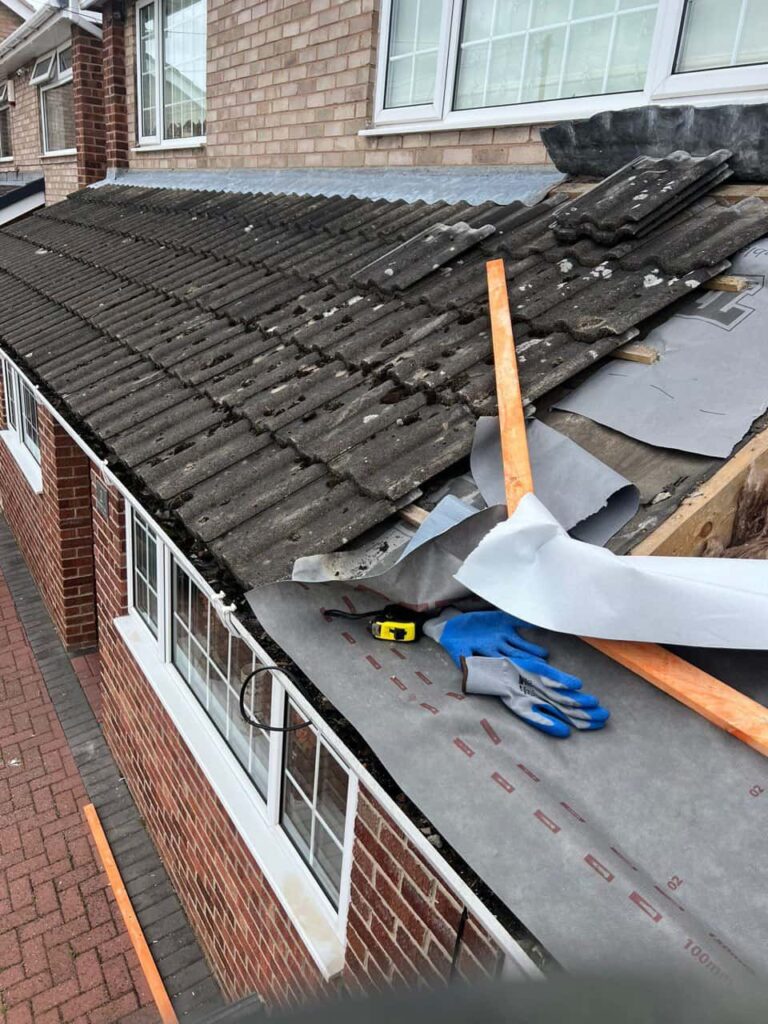
Soffit ventilation is a vital but often overlooked component of a healthy roofing system. Installed along the eaves of a property, soffit vents allow a controlled flow of air into the roof space, helping regulate temperature and moisture levels throughout the year. For homeowners in Branston, Lincolnshire, understanding the importance of proper soffit ventilation can help prevent a range of roofing issues and support the long-term performance of the roof.
The Role of Soffit Ventilation in Roof Systems
Soffit ventilation works as part of a balanced airflow system within the roof.
Encouraging Consistent Airflow
Fresh air enters the roof space through soffit vents and exits through higher-level ventilation, such as ridge or tile vents. This continuous airflow prevents stagnant air from becoming trapped in the loft or roof void.
Supporting the Roof Structure
By allowing air to circulate freely, soffit ventilation helps protect roof timbers, insulation and coverings from the damaging effects of excess heat and moisture.
Preventing Moisture Build-Up and Condensation
One of the most important functions of soffit ventilation is moisture control.
Reducing Condensation Risks
Warm, moist air from inside the home can rise into the roof space. Without adequate ventilation, this moisture can condense on cold surfaces, leading to damp conditions that affect timber and insulation.
Protecting Roof Timbers
Persistent moisture can cause timber components to weaken over time. Proper soffit ventilation helps keep roof structures dry and reduces the risk of long-term deterioration.
Managing Temperature in the Roof Space
Temperature regulation is another key benefit of soffit ventilation.
Preventing Excessive Heat Build-Up
In warmer months, roof spaces can become extremely hot. Soffit ventilation allows heat to escape more effectively, reducing strain on roofing materials and helping maintain a more stable roof environment.
Supporting Insulation Performance
Well-ventilated roof spaces allow insulation to function as intended. When airflow is restricted, insulation can trap heat and moisture, reducing its effectiveness and contributing to roofing issues.
Common Problems Caused by Poor Soffit Ventilation
When soffit ventilation is inadequate or blocked, problems can develop gradually.
Increased Risk of Roof Damage
Moisture and heat build-up can accelerate wear to underlay, battens and roof coverings, leading to premature roofing repairs.
Impact on Internal Comfort
Poor ventilation can contribute to uneven temperatures within the home, particularly in upper rooms, as heat and moisture struggle to escape through the roof.
Why Professional Assessment Is Important
Correct soffit ventilation depends on careful design and installation.
Professional roofers assess the size of the roof space, existing ventilation and overall roof structure to ensure airflow is properly balanced. This ensures soffit vents deliver consistent performance rather than creating uneven or ineffective ventilation.
At Branston Roofing Repairs, we assess and install soffit ventilation systems as part of our comprehensive roofing services. Our focus is on maintaining healthy roof spaces and protecting properties throughout Branston.
Conclusion
Soffit ventilation plays a crucial role in maintaining roof health by managing airflow, reducing condensation and supporting temperature control within the roof space. Without it, moisture and heat can build up, leading to avoidable roofing issues over time.
For homeowners in Branston, Lincolnshire, ensuring soffit ventilation is properly installed and maintained is an important step in protecting the roof’s structure and performance. If you have concerns about roof ventilation, Branston Roofing Repairs can provide professional advice and solutions tailored to your property.
Call us on: 01522 459 294
Click here to find out more about Branston Roofing Repairs
Click here to complete our contact form and see how we can help with your roofing needs.