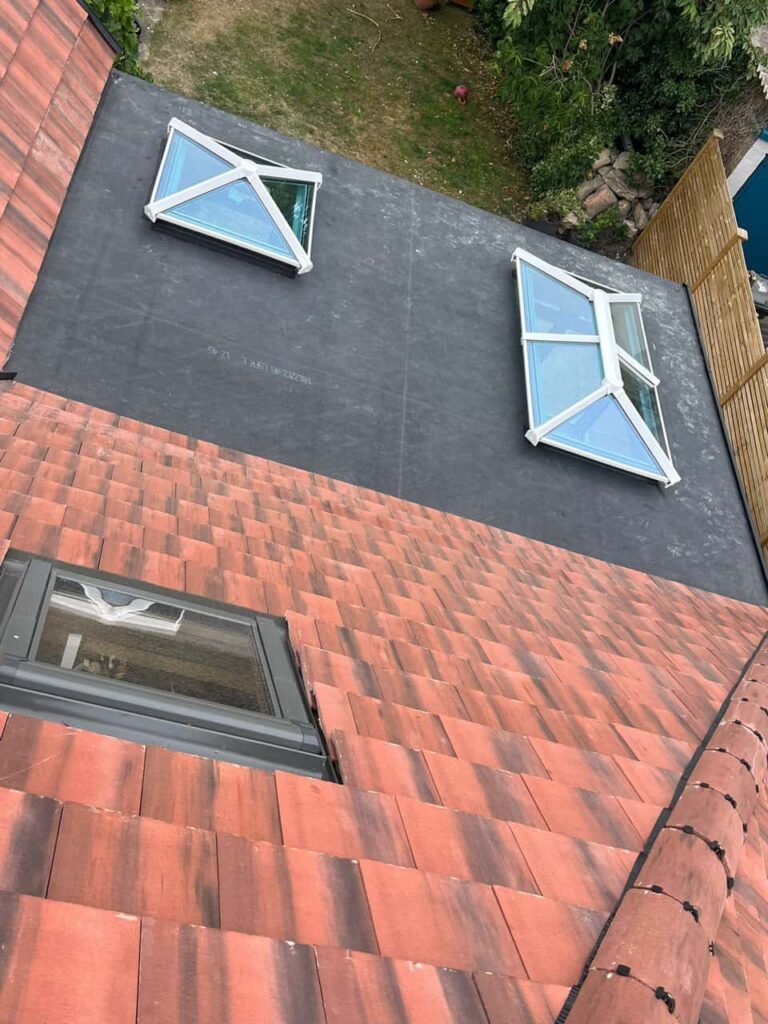
Flat and felt roofs provide a practical covering for many extensions, garages, outbuildings and other parts of a property. Although these roofs are designed to protect buildings from the elements, they can develop problems over time due to weather exposure, ageing materials, drainage issues and general wear.
Recognising early warning signs can help homeowners in Branston, Lincolnshire arrange appropriate repairs before a minor defect develops into a more extensive roofing problem.
Why Flat and Felt Roofs Need Regular Attention
Flat roofs have a different design from pitched roofs, meaning effective drainage is particularly important. Water needs to flow towards suitable outlets rather than remaining on the surface.
Felt roofing can also deteriorate gradually as it is exposed to rainfall, temperature changes and sunlight. Small defects may initially have little visible impact but can eventually allow moisture to penetrate the roof structure.
Regular visual checks can help identify changes before they become more difficult to address.
Water Pooling on the Roof
Standing water is one of the clearest warning signs that a flat roof may require attention. Some temporary moisture after rainfall can occur, but persistent pooling may indicate inadequate drainage, surface deformation or another underlying issue.
Continued exposure to standing water can place additional stress on the roofing material and may increase the risk of water penetration.
If water repeatedly collects in the same area, professional assessment can help establish why it is happening.
Cracks, Blisters and Splits in Felt
Felt roofing can develop visible defects as it ages. Cracks, splits and areas of blistering may indicate that the surface is deteriorating.
Blisters can occur when moisture or air becomes trapped beneath sections of the felt. Damaged areas can become more vulnerable to further weather exposure and may eventually allow water into the layers underneath.
Any noticeable change to the felt surface should be assessed rather than automatically covered with another material.
Damp Patches and Water Staining
Water entering through a flat roof may eventually become visible inside the property. Damp patches, discolouration or staining on ceilings and walls can indicate that moisture is penetrating the roof.
The visible water damage does not necessarily correspond directly with the point where the roof is leaking. Water can travel through roofing layers before appearing inside.
Professional investigation can help identify the source and determine whether the felt covering, flashing, drainage or another component is responsible.
Damaged Roof Edges and Flashing
The edges and junctions of a flat roof can be particularly important when investigating leaks. Flashing around walls, roof edges and other junctions helps prevent water from entering vulnerable areas.
Loose, cracked or deteriorated flashing can create openings where moisture can penetrate. Damaged edges of the felt may also leave parts of the roof exposed.
These areas should be included in any professional roof assessment.
Sagging or Uneven Areas
A flat roof should have a suitable fall to encourage water to drain away. If sections begin to sag or become noticeably uneven, water may start collecting where it previously drained effectively.
Sagging can have several causes, including prolonged moisture exposure or problems within the supporting structure. It should therefore be assessed rather than simply treated as a surface defect.
Blocked Roof Outlets and Gutters
Drainage systems are essential to flat roof performance. Blocked outlets, gutters or downpipes can prevent rainwater from leaving the roof efficiently.
Leaves, dirt and other debris can accumulate around drainage points. Keeping these areas clear can reduce the likelihood of water building up on the roof.
If drainage continues to be ineffective after routine clearing, the roof may require further investigation.
When Does a Flat or Felt Roof Need Repair?
Professional repairs should be considered when you notice persistent leaks, damaged felt, repeated water pooling, deteriorating flashing or visible changes to the roof structure.
Early assessment can help determine whether the affected area can be repaired or whether additional sections of the roofing system also require attention.
Trying to cover a visible leak without addressing its underlying cause may only provide a temporary result.
Professional Flat and Felt Roof Repairs in Branston
At Branston Roofing Repairs, we provide professional roofing repair services for properties in Branston, Lincolnshire. We assess the condition of flat and felt roofs carefully to identify the source of problems and recommend suitable repairs.
Whether the issue involves damaged felt, flashing, drainage or another component, understanding the cause is an important part of carrying out an effective repair.
How Homeowners Can Reduce the Risk of Problems
Routine maintenance can help keep a flat roof in better condition. Keep gutters and drainage outlets clear, check for visible surface damage from a safe position and pay attention to any signs of dampness inside the property.
After periods of heavy rainfall, it can also be useful to check whether water remains on the roof for an extended period.
Roof access should be left to suitably equipped professionals rather than attempting inspections or repairs from the roof surface yourself.
Conclusion
Flat and felt roofs can provide reliable protection when properly installed and maintained, but problems such as water pooling, damaged felt, deteriorating flashing and internal dampness should not be ignored.
If you have noticed warning signs on a flat or felt roof at your property in Branston, Lincolnshire, Branston Roofing Repairs can assess the condition of the roof and advise on suitable repairs. Contact us to arrange a professional roof inspection.
Call us on: 01522 459 294
Click here to find out more about Branston Roofing Repairs
Click here to complete our contact form and see how we can help with your roofing needs.